The first woman Advocate General for Scotland
Who We Are
- The Inner Temple Today
- Bench Table Orders
- Education and Qualification Rules
- Consultation Responses
- Time to Change
- Social Mobility Employer Index
- The Council of the Inns of Court
- Anti-Bribery
- Applications Misconduct Policy
- Car Park Terms and Conditions
- Equality & Diversity
- Freedom of Information
- Complaints
- Licensing
- Conflicts of Interest
- Scholarships Travel Reimbursement Policy
- PASS Travel, Accommodation and Subsistence Policy
- Privacy
- Outreach Safeguarding Policy
- 🔗 Searcys Anti-Slavery Policy
- Scholarships Feedback Policy
- Scholarships Deferrals Policy
- Modern Slavery and Human Trafficking Policy
- Environmental Policy
- Scholarships Appeals Policy
- Pupils Advocacy Course Appeals Policy
- Sponsorship for Student Societies
- Social Media for Student Societies
- Volunteer and Participant Code of Conduct
- We Are a Living Wage Employer
- Admissions Database 1547-1940
- The Archives
- Bench Table Orders 1845-1945
- Calendars of Inner Temple Records 1505-1845
- Introduction
- Diversity Timeline
- Edward Akufo-Addo
- Obafemi Awolowo
- Joyce Bamford-Addo
- Solomon Brandaranaike
- Charlotte Boaitey-Kwarteng
- Joseph Ephraim Casely Hayford
- Eugenia Charles
- S Chelvan
- Thomas Morris Chester
- Learie Constantine
- Edward Cragg Haynes
- Patricia Dangor
- Coomee Rustom Dantra
- Gifty Edila
- Ezlynn Deraniyagala
- Taslim Olawale Elias
- Martin Forde
- Arthur Dion Hanna
- Ma Pwa Hmee
- Alexander Isbister
- Sibghatullah Kadri
- Seretse Kharma
- Moleleki Didwell Mokama
- Tunde Okewale
- Ashitey Ollennu
- Vallabhbhai Patel
- Lily Tie Ten Quee
- Ponnambalam Ramanathan
- Edward Richards
- Khushwant Singh
- Manjiit Singh Gill
- Teo Soon Kim
- Leslie Thomas
- Stella Thomas
- Leonard Woodley
- The Christmas Accounts 1614-82
- The Freehold
- Charles and Mary Lamb in the Inner Temple
- Grand Day
- Life in Halls: Designs of the Previous Incarnations of the Inner Temple Hall
- Gorboduc, or the Tragedy of Ferrex and Porrox
- Lord Robert Dudley, 'chief patron and defender' of the Inner Temple
- Lost in the Past : The Rediscovered Archives of Clifford's Inn
- Paintings
- Phoenix from the Ashes: The Post-War Reconstruction Of The Inner Temple
- Silver - Extract from 'A Community of Communities'
- The "Unfortunate Marriage" of Seretse Khama
- The admission of overseas students to the Inner Temple in the 19th century
- The Inns Of Court & Inns Of Chancery & their Records
- William Cowper of the Inner Temple
- William Niblett - A Life Re-Examined
- History of The Inner Temple Video
- Library Manuscripts
- Magna Carta Timeline
- Paintings Collection
- Pegasus Emblem
- Silver Collection
- Introduction
- Timeline
- Joyce Bamford-Addo
- Marion Billson
- Jill Black
- Elizabeth Butler-Sloss
- Sue Carr
- Eugenia Charles
- Lynda Clark
- Freda Corbet
- Coomee Rustom Dantra
- Leeona Dorrian
- Heather Hallett
- Frene Ginwala
- Rosalyn Higgins
- Daw Phar Hmee
- Lim Beng Hong
- Dorothy Knight Dix
- Sara Lawson
- Elizabeth Lane
- Theodora Llewelyn Davies
- Gladys Ramsarran
- Lucy See
- Evelyn Sharp
- Victoria Sharp
- Ingrid Simler
- Teo Soon Kim
- Ivy Williams
- The Significance of the Sex Disqualification (Removal) Act 1919
- Women in Law Podcasts
- Notable Members
- Our People
- Work for Us
Home › Who We Are › History › Women in Law › Our Women › Lynda Clark
The Rt Hon The Baroness Clark of Calton QC
(created Baroness Clark of Calton in 2005)
Called 1977 (Scottish Bar), Admitted 1988, Called 1988 (Bar of England and Wales), Bencher 2000
Lynda Clark began her legal career as an academic, following her LLB from St Andrews with a PhD in Criminology & Penology from Edinburgh. From 1973-1977 she was Lecturer in Jurisprudence at the University of Dundee. She was called to the Scottish Bar in 1977 and moved from academia to legal practice. In 1989 she became only the third woman in Scotland to be made a QC, after Dame Margaret Kidd in 1948 and Isabel Sinclair in 1964. Dr Clark was called to the English Bar from The Inner Temple in 1988, becoming a Bencher of that Inn ten years later.
Dr Clark stood in the 1992 General Election as the Labour Party candidate for North East Fife; a difficult task in a constituency which had never returned a Labour MP. She came fourth, and the incumbent Menzies Campbell retained the seat for the Liberal Democrats. She stood again in 1997 and this time was successful, unseating the then-Foreign Secretary Malcolm Rifkind in the Edinburgh constituency which he had represented for 23 years. She was the first woman to be MP for an Edinburgh seat.
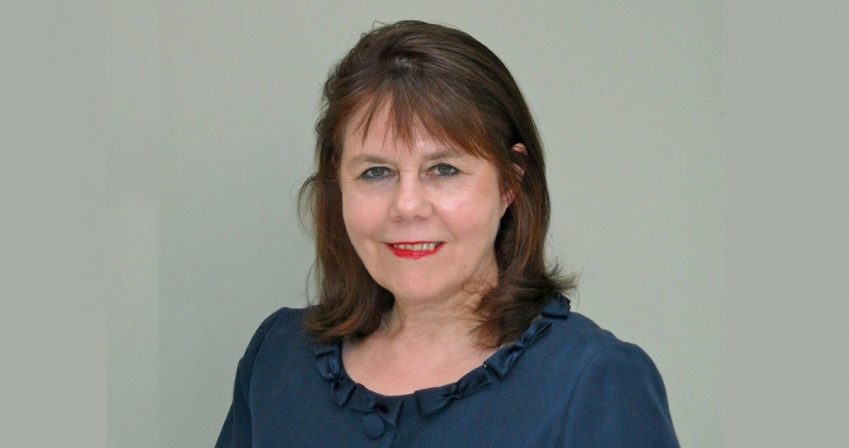
The Rt Hon The Baroness Clark of Calton QC
One of the new Labour government’s earliest actions was to hold a referendum on Scottish devolution. The result was an overwhelming vote in favour of devolution, and elections were held in 1999 for a new Scottish Parliament. These changes required new political jobs to be created in Westminster as well as Edinburgh: for example, the Lord Advocate and the Solicitor General for Scotland had previously advised Parliament on Scots law, but these offices became part of the new Scottish Government in 1999. To replace them, the new office of Advocate General for Scotland was created, and Lynda Clark became its first holder. As such, she was the first woman to be a law officer of the Crown.
Dr Clark was re-elected to Parliament in 2001, but stood down in the 2005 election, the same year that she was created Baroness Clark of Calton. She sat in the House of Lords for only a year before resigning on her appointment as a judge of the Supreme Courts of Scotland. She served in that capacity for six years before briefly becoming chair of the Scottish Law Commission in 2012. She left that post the following year to sit in the Inner House of the Court of Session, the highest court in Scotland.
In an interview published by the legal reform charity Justice, Baroness Clark said:
It is important that the laws which provide the framework for the justice system reflect the views and ideas which women support and consider important. A legislature and institutions dominated by men, as in the past, cannot be the model for the future and I expect to see more change. There will be many different views and no necessary consensus but as many women as possible should be involved as this is so important to our democratic process. (From https://justice.org.uk/lady-clark-calton/)